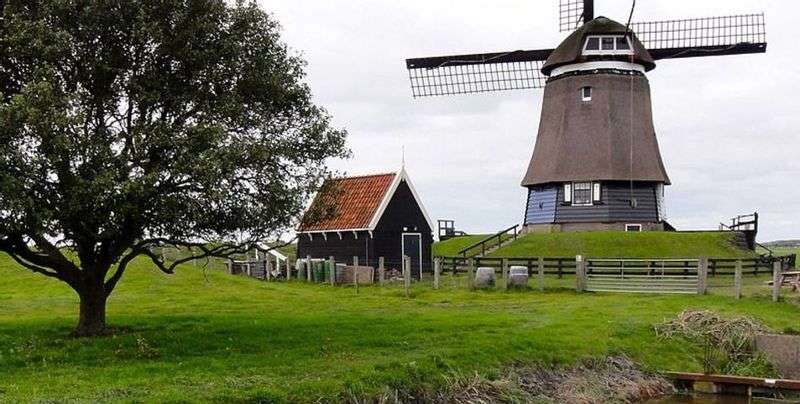
The Break is a beautifully restored polder mill that showcases the rich history and craftsmanship of traditional milling. This unique attraction offers visitors a glimpse into the past, featuring a miller’s cottage that has been authentically furnished to reflect the lifestyle of the early 1900s. The restoration preserves the mill's original charm while providing an engaging experience for guests. Visitors to The Break can explore the intricacies of the milling process and gain insight into the significance of polder mills in Dutch history. The combination of the mill and the cottage creates an immersive environment that highlights the cultural heritage of the region. Whether you're a history enthusiast or simply looking for a scenic outing, The Break provides a captivating destination to learn about and appreciate this important aspect of local heritage.
Nestled in the heart of the scenic countryside, this remarkable destination offers a unique glimpse into the history and heritage of traditional milling. The recently restored polder mill, known for its intricate design and functionality, serves as a vibrant symbol of the region's agricultural and cultural legacy. Visitors are welcomed into a world where time stands still, allowing them to appreciate the craftsmanship and ingenuity that went into constructing this iconic structure. The mill stands as a testament to the evolution of milling techniques and the vital role that wind power played in the daily lives of those who lived in the area.
The miller's cottage, furnished as it was around the year 1900, provides an intimate look into the past. Each carefully selected piece of furniture and decor reflects the simplicity and practicality of life during that era. Guests can wander through the cozy rooms, imagining the daily routines of the miller and his family. The cottage not only serves as a living museum but also offers interactive displays that engage visitors of all ages. Through guided tours and informative signage, guests can learn about the historical significance of the mill, the techniques used in milling grain, and the importance of preserving such cultural landmarks for future generations.
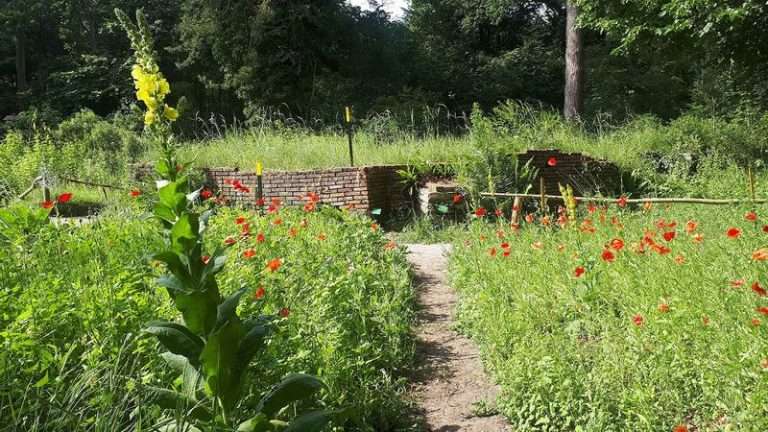
Additionally, the surrounding landscape enhances the experience, inviting visitors to take leisurely strolls and enjoy the natural beauty that envelops the site. The lush greenery and tranquil waterways create a picturesque setting that complements the historical aspects of the mill. Whether you are an enthusiast of history, a lover of nature, or simply seeking a peaceful escape from the hustle and bustle of modern life, this destination offers something for everyone.
As you explore the grounds, you’ll come across various educational programs and workshops designed to engage visitors in hands-on experiences. From learning about the mechanics of windmills to participating in traditional crafts, these activities provide a deeper understanding of the region’s heritage while fostering a sense of community. The goal is not only to preserve the past but to keep the spirit of the mill alive through active participation and appreciation.
In summary, this destination is more than just a historical site; it is a vibrant community hub that celebrates the art of milling, the beauty of the countryside, and the stories of those who came before us. Whether you are visiting alone, with family, or as part of a group, you are sure to leave with a newfound appreciation for the cultural significance of this remarkable place. Come and experience the charm and history that await you, as we invite you to step back in time and discover the enduring legacy of traditional milling.
To reach the Visitor Center and Windmill De Breek, start your journey by making your way to the charming town of Oosthuizen in the Netherlands. If you're traveling by car, input the address “Etersheimer Braakweg 5, 1474 MV Oosthuizen” into your GPS. The drive will offer beautiful views of the Dutch countryside, so keep your camera handy!
If you're coming from Amsterdam, take the A10 ring road and then merge onto the A7 towards Hoorn. After about 30 minutes, take the exit for Oosthuizen. Follow the signs for Oosthuizen and then for Etersheimer Braakweg. The windmill will be just a short distance ahead. ️
For those using public transport, take a train from Amsterdam Central Station to Hoorn. From Hoorn, catch a bus to Oosthuizen. The journey provides a lovely opportunity to enjoy the scenery. Upon arriving in Oosthuizen, it’s a pleasant 15-minute walk to the windmill. Just follow the signs or ask locals for directions—they're always happy to help!
Once you arrive, you’ll be greeted by the stunning restored polder mill, complete with the quaint miller's cottage that captures the essence of life around 1900. Enjoy your visit and take in the rich history and beautiful surroundings!